

Your Patio Door Questions Answered: What Homeowners Need to Know
Patio doors connect your indoor and outdoor spaces, but they also play a huge role in your home's energy efficiency, security, and overall comfort. Whether you're replacing an old, drafty sliding door or adding a new patio door to improve access to your deck or yard, there's a lot to consider. What's the difference between sliding and French patio doors? How do you make sure a patio door is secure? What materials hold up best in harsh weather? We've answered the most common questions homeowners ask about patio door installation and replacement to help you choose the right door for your home.
- What are the main types of patio doors, and how do I choose?
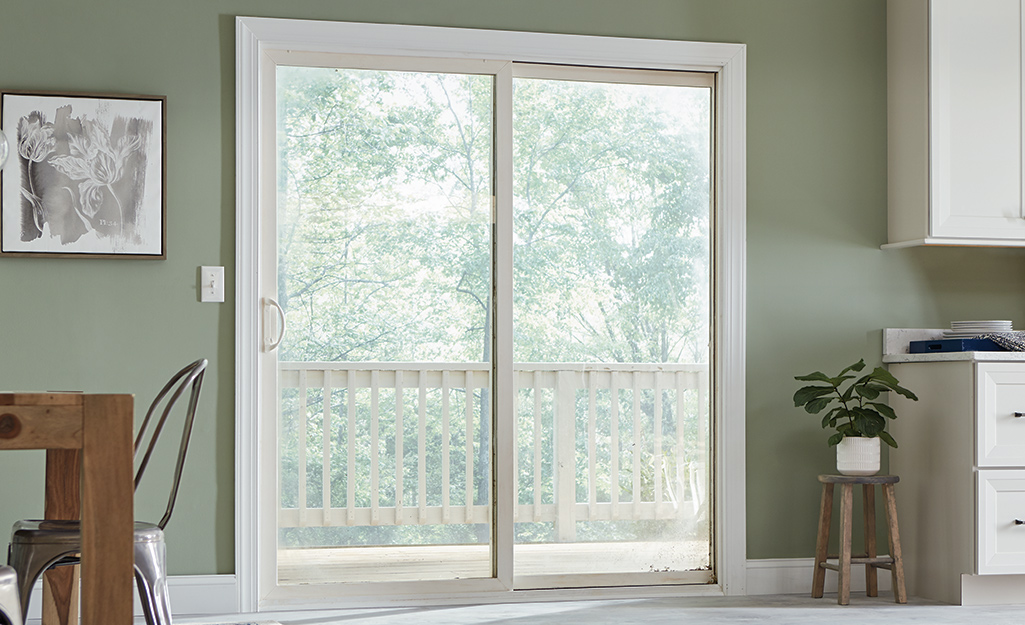
The four main types are sliding (glider), French (hinged), bi-fold, and multi-slide. Sliding doors have panels that slide horizontally on tracks—they're space-efficient since they don't need swing clearance, and they're the most affordable option. French doors have two hinged panels that swing inward or outward, offering a traditional look and a wider opening when both are open. Bi-fold doors have multiple panels that fold accordion-style, creating a huge opening that connects indoor and outdoor spaces—they're great for entertaining but cost significantly more. Multi-slide doors have large glass panels that slide and stack, offering modern aesthetics and expansive views. Choose based on your space constraints, budget, how you'll use the door, and your home's style. Most homeowners go with sliding or French doors because they balance cost, function, and aesthetics well.
- How much do patio doors cost to install or replace?
Sliding patio doors typically cost $2,000-$4,000 installed for standard sizes, while French doors run $2,500-$5,000. Bi-fold and multi-slide systems cost significantly more—$5,000-$15,000 or higher depending on size and materials. Material choice affects price considerably. Vinyl is most affordable, fiberglass costs 20-30% more but offers better durability, wood is premium pricing, and aluminum falls in the middle. Custom sizes, decorative glass, upgraded hardware, and energy-efficient features all add cost. If we need to modify the opening size or repair framing damage, that increases the price. Higher-end brands like Pella, Andersen, and Marvin cost more but come with better warranties and performance. We provide same-day quotes that include everything—door, hardware, installation, and any necessary trim work.
- Are patio doors secure enough, and how can I improve security?
Modern patio doors can be very secure if you choose the right features. Look for multi-point locking systems that secure the door at three or more points along the frame—these are much harder to force open than single locks. Reinforced frames resist prying and kick-ins. Impact-resistant or laminated glass prevents easy break-ins because it doesn't shatter into pieces that allow access. Anti-lift devices on sliding doors prevent them from being lifted off the track, which is a common break-in method. Some doors offer foot locks or floor bolts for additional security. French doors are generally more secure than sliding doors because they lock at multiple points. You can also add security bars or pin locks for sliding doors, install motion-sensor lighting near the door, or upgrade to smart locks with monitoring features. The door itself matters, but proper installation is equally important for security.
- What material is best for patio doors in areas with harsh winters?
Fiberglass and vinyl perform best in harsh winter climates. Fiberglass is the top choice because it doesn't expand or contract much with temperature changes, won't rot or warp, and insulates extremely well. It's strong enough for large openings and handles freeze-thaw cycles without damage. Vinyl is also excellent—it won't rot, doesn't need painting, and insulates well, though it can become slightly brittle in extreme cold and isn't as strong as fiberglass for very large openings. Wood looks beautiful but requires maintenance and can warp or rot if moisture gets in, making it less ideal for harsh climates unless you're committed to upkeep. Aluminum conducts cold, making it the worst choice for insulation, though thermal breaks help. Steel doors are durable but can rust if the finish is damaged. For cold climates, prioritize low U-factor ratings (0.30 or less) and look for doors with triple-pane glass and argon or krypton gas fill.
- How do I prevent drafts and air leaks around my patio door?
Drafts usually come from worn weatherstripping, misaligned doors, or gaps in the installation. For sliding doors, replace the weatherstripping along all edges—it's inexpensive and makes a huge difference. Make sure the door is properly aligned on its track; if it's sagging or not sitting flush, adjust the rollers or hinges. Check the threshold at the bottom—there should be an adjustable seal that presses against the door when closed. For French doors, inspect the weatherstripping around the entire frame and the seal between the two doors when they're closed. Caulk any gaps between the door frame and the wall on both the interior and exterior. If you're getting a new patio door, proper installation is critical—the opening needs to be square and level, with spray foam insulation filling gaps around the frame. Quality doors with good weatherstripping and proper installation shouldn't have noticeable drafts.
- What's the difference between two-panel and three-panel patio doors?
Two-panel doors are standard—you have one stationary panel and one that opens (for sliding doors) or two panels that both open (for French doors). They fit most standard 5-6 foot openings. Three-panel doors have one or two operable panels and provide a wider opening, typically 9-12 feet. They're great if you have the space and want more light, better views, or easier traffic flow for entertaining and moving furniture in and out. The trade-off is cost—three-panel doors cost 30-50% more than two-panel, and they require more wall space and structural support. You'll also have a larger fixed panel that doesn't open, which some people don't like. Most homeowners stick with two-panel doors unless they have a large room that benefits from the extra width or they're specifically designing for indoor-outdoor living.
- Can I install a patio door where I currently have a window or solid wall?
Yes, but it's a significant project that involves structural work. We need to cut a new opening in the wall, which means removing siding or brick, cutting through studs, and installing a header beam to support the weight above the opening. If it's a load-bearing wall, the header needs to be properly sized and may require consultation with a structural engineer. You'll also need to frame out the new opening, install the door, and finish both the interior and exterior with trim, drywall, and paint or siding. The cost runs $3,000-$8,000 beyond the door itself, depending on wall construction and whether it's load-bearing. The project typically takes 2-3 days. It's definitely doable and can transform a room by adding light and outdoor access, but it's much more involved and expensive than replacing an existing patio door.
- How energy efficient are patio doors compared to regular doors and windows?
Patio doors have more glass area than regular doors, so they have more potential for heat loss or gain. But modern patio doors with double or triple-pane glass, low-E coatings, and argon gas fill can be nearly as efficient as good windows. Look for Energy Star certification and a U-factor of 0.30 or lower. The frame material matters too—fiberglass and vinyl insulate better than aluminum. In hot climates, low-E coatings that reflect heat are essential to prevent your cooling system from working overtime. In cold climates, doors with triple-pane glass and warm-edge spacers perform best. A quality patio door won't be as energy efficient as an insulated solid door, but it's much more efficient than old single-pane sliding doors. The trade-off is that you gain natural light and views, which most homeowners feel is worth slightly higher energy costs.
- How long does patio door installation take, and what's involved?
Replacing an existing patio door typically takes 4-6 hours for a straightforward installation. We remove the old door, inspect and repair the opening if needed, install the new door, insulate around it, and finish the interior and exterior trim. If there's rot or water damage in the framing, repairs add time. Custom-sized doors or complex installations with transoms or sidelights can take a full day. Installing a new patio door where one didn't exist before takes 2-3 days because of the structural work involved. Your home stays secure throughout—we don't leave openings overnight. The installation needs to be done carefully to ensure the door is level and square, properly sealed against weather, and operates smoothly. After installation, we test the locks, adjust the panels for smooth operation, and clean up completely.
- Do patio doors add value to a home, and by how much?
Yes, quality patio doors typically add $1.50-$2.00 to your home's value for every dollar spent, especially if you're replacing old, dated doors or adding a door where there wasn't one before. They improve curb appeal, increase natural light, enhance indoor-outdoor flow, and signal to buyers that the home has been well-maintained. French doors and high-end multi-slide systems add more perceived value than basic sliding doors. The return on investment is highest when the door fits the home's overall quality and price range—putting $10,000 doors on a modest home won't return as much as putting them on a higher-end property. Energy-efficient doors with good warranties also appeal to buyers concerned about utility costs. Beyond resale value, new patio doors improve your daily quality of life with better views, easier outdoor access, and more comfortable living spaces, which many homeowners value more than the eventual resale return.
Why So Many Choose Vanguard for their Siding & Gutters

Repair & Installation
We offer comprehensive solutions for the exterior of your home, including full repair or installation of siding and gutters to enhance the look and functionality of your home.

Expert Technicians
No matter the size or scope of your repair or installation project, our team is committed to providing high-quality workmanship and great customer service.

Industry Leader

Easier Insurance Claims Process
We deal with insurance claims and paperwork so you don’t have to. Giving you fast and easy siding and gutter repair/installation.
Get a Free Same Day Quote
We're happy to get you a quote and answer any of your questions. Click the button to request a quote or give us a call at (847) 334-0790
See what some of our customers have to say...

If you need mold inspection done, I would highly recommend Vanguard. They were, professional, thorough, and gave us peace of mind by not having to worry about mold issues anymore.
We had water and fire damage. Vanguard cleaned all the walls and repainted. Remodeled the kitchen by removing and replacing cabinets too. They did a great job and our room looks so nice.
I was able to get a mold inspection at my house within a few days and got the report already. The inspector was very professional, answered all my questions, and really put me at ease.